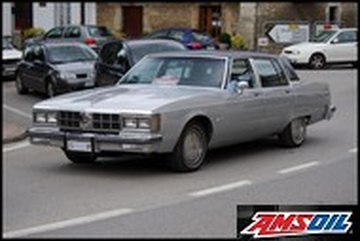
Lubrication Maintenance for the 1981 Oldsmobile 98 5.7L Diesel
Maintaining a diesel engine requires a disciplined approach to fluid management and routine inspections. For the 1981 Oldsmobile 98 equipped with the 5.7L diesel engine, consistent attention to lubrication quality and system integrity is a fundamental aspect of long-term ownership. Because diesel engines operate under different thermal and mechanical stresses than gasoline counterparts, following specific maintenance protocols helps ensure the engine remains in optimal condition.
Monitoring Fluid Integrity and Condition
One of the most effective ways to monitor the health of the 5.7L diesel engine is through regular observation of the lubricant's appearance and behavior. When performing routine checks, it is useful to look for any changes that deviate from the standard appearance of clean oil. While diesel engines naturally produce soot as a byproduct of combustion, which can darken the oil over time, extreme discoloration or unusual textures should be investigated.
If you notice an unusual odor coming from the crankcase or observe unexpected changes in how the lubricant behaves, these symptoms warrant further inspection. It is important to remember that various factors can influence the appearance of engine fluids; therefore, a single observation should not be used to diagnose a specific mechanical failure. Instead, treat these signs as indicators that a more thorough professional diagnostic may be necessary. Additionally, keep an eye out for any visible fluid leakage around the engine block or sealing surfaces, as even small amounts of seepage can indicate that gaskets or seals are beginning to age.
Prioritizing Maintenance Based on Current Condition
For owners of a 1981 Oldsmobile 98, effective maintenance is often more about responding to the actual state of the vehicle than following a generic timeline. Rather than assuming components are failing simply because of the vehicle's age, it is more practical to establish a maintenance baseline by reviewing any available service history. If documentation regarding previous repairs and fluid changes is incomplete, your first priority should be to document all current observations.
When managing an older diesel engine, prioritize tasks based on active needs. This means addressing visible leaks, unusual noises, or signs of fluid consumption before moving on to purely preventive measures. By focusing on the current condition of the vehicle—such as the state of hoses, if present, or the integrity of electrical connections—you can make more informed decisions about where to allocate your maintenance budget and time. This condition-based approach helps distinguish between necessary repairs and unnecessary parts replacement.
Observing Potential Warning Signs
Recognizing when a vehicle requires immediate attention can prevent minor issues from escalating into significant mechanical concerns. For the 5.7L diesel engine, certain indicators should never be ignored:
- Changes in Lubricant Consumption: If you find yourself needing to add oil more frequently than in the past, this may indicate an issue that requires investigation.
- Visible Leakage: Any pooling of fluid under the vehicle or active dripping from the engine area should be addressed promptly.
- Unusual Mechanical Noises: New or changing sounds during engine operation can be associated with various mechanical states and should be evaluated by a technician.
- Warning Indicators: If any dashboard indicators related to the engine or lubrication system illuminate, seek service immediately.
It is vital to approach these signs with an understanding that symptoms often have multiple potential causes. For example, a burning odor might indicate oil contacting a hot surface rather than an internal engine issue. Always treat these observations as prompts for professional inspection rather than definitive proof of a specific component failure.
Long-Term Ownership and Record Keeping
Successful long-term ownership of a classic diesel vehicle like the 1981 Oldsmobile 98 relies heavily on organized record-keeping. Maintaining a detailed log of all fluid changes, filter replacements, and mechanical repairs provides a clear picture of the engine's service history. This documentation is invaluable when attempting to establish a maintenance baseline or when selling the vehicle in the future.
Consistent records allow you to track patterns, such as how often certain components are serviced or if specific fluids are being consumed at an increasing rate. For an older vehicle, these records help you move away from guesswork and toward a data-driven maintenance strategy. If you are currently unaware of the engine's history, begin your records now by documenting every inspection and service performed from this point forward.
General Inspection of Engine Components
During routine service intervals, performing a thorough visual inspection of the engine compartment can reveal many issues before they become critical. When inspecting the 5.7L diesel powerplant, focus on the following areas:
- Seals and Gaskets: Inspect accessible sealing surfaces for signs of age-related seepage or leakage.
- Drive Belts: If equipped, examine accessible drive belts for evidence of cracking, glazing, fraying, or other forms of deterioration.
- Hoses and Connections: Check any visible hoses for signs of softening, swelling, or cracking, and ensure electrical connectors are secure and free from significant corrosion.
- Air Filtration: Ensure the air intake system is clean and that the filtration elements are not heavily contaminated, as clean air is vital for diesel combustion efficiency.
By integrating these visual checks into your regular maintenance routine, you can maintain a much clearer understanding of the vehicle's mechanical state.
Practical Guidance for Buying Engine Oil for your 1981 Oldsmobile 98 5.7L
When it is time to replenish your engine lubricant, the most important step is to ensure the product matches the specific requirements of your diesel engine. Do not rely on general automotive knowledge or assumptions based on the vehicle's age to select a grade. Instead, match the engine oil to the application-specific viscosity information already displayed on this webpage.
When you are ready to purchase, carefully check the product labeling to verify that the oil meets the appropriate quality standards and certifications for your specific application. Depending on your needs and the current condition of your engine, you may encounter various options, including conventional, synthetic blend, or full synthetic formulations. Some high-mileage oil formulations also contain additives intended for use in aging engines, including seal-conditioning additives. Always prioritize the specific viscosity and application details provided in the technical data above this section to ensure the best possible protection for your 5.7L diesel engine.